Turn Your Builder Search Into a Boardroom Decision
Choosing a custom home builder is not a casual decision. For many busy professionals in Sacramento, it feels closer to hiring a key executive than buying a product. You are trusting someone with your time, your family's comfort, and a large part of your net worth.
Treating the process like a boardroom decision brings clarity and calm. With structure, clear roles, and measurable criteria, you can move past glossy photos and gut feel. In this article, we share a practical framework, including an RFP outline, interview scorecard, and reference-check process, tailored to anyone seeking a custom home builder for busy professionals in Sacramento.
Governance First: Build Your Decision Team and Ground Rules
Before you send a single email to a builder, set up your own "steering committee." This does not need to be formal, but it should be clear. Your decision team might include both partners or key household members, a trusted advisor such as a family office or financial planner, a design-minded friend to help review plans, and one person in charge of day-to-day coordination.
Once the group is defined, agree on responsibilities and decision authority. Decide who handles research and initial outreach, who builds the shortlist, who has veto power on red flags, and who signs contracts and approvals. Clarifying this early prevents confusion later when timelines tighten and tradeoffs appear.
Next, clarify your decision criteria and risk tolerance. Talk through non-negotiables like a firm budget ceiling and what counts as success, your target move-in window and how flexible that is, desired design quality and level of finish, preferred communication style and response time, how many change orders you are willing to accept, and your comfort level with newer tech such as smart-home systems or solar-ready planning.
Finally, set a simple calendar that keeps the process moving. Plan target dates for the major milestones below:
- Finalizing your wish list and project brief
- Sending out RFPs to your builder shortlist
- Holding interviews and site visits
- Making the final decision and signing
In Sacramento, many owners aim to have design and permits in place before heavy winter rain, so construction can start in the drier months. Working backward from when you want to move in helps keep everyone aligned.
A Boardroom-Ready RFP for Sacramento Custom Builders
Think of your RFP as a clear corporate brief. The goal is to help every builder respond in a structured way so you can compare them side-by-side.
At minimum, your RFP should define the project clearly so builders aren't guessing about scope, style, or constraints. Include the core project details:
- Project type, such as new custom home, high-end remodel, or addition
- Target neighborhood or area in Sacramento
- Rough square footage range
- General architectural style preferences
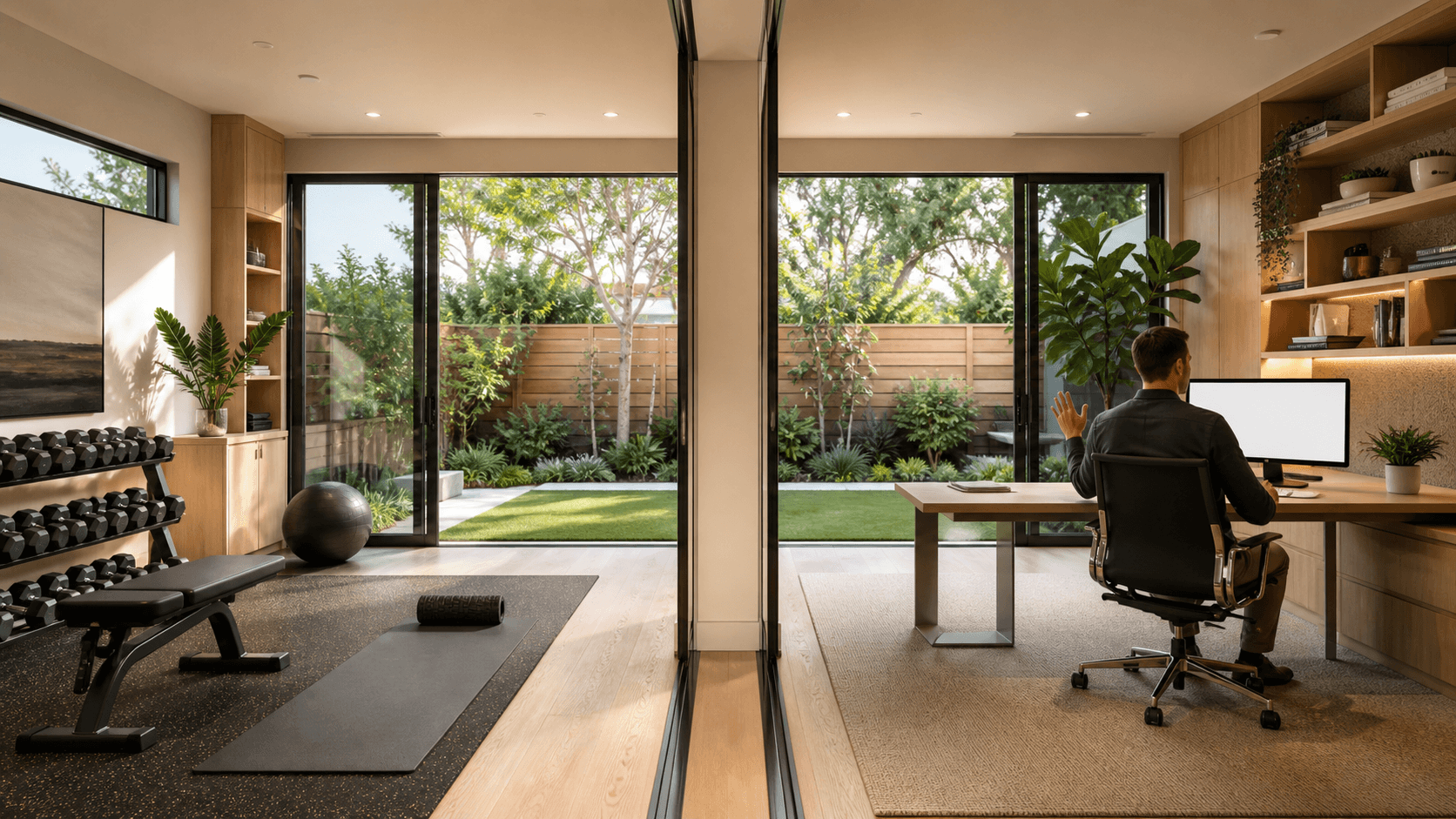
- Special priorities, like indoor-outdoor living or home office needs
- Your work schedule and how often you can meet
For busy professionals, it also helps to spell out how you prefer to work, because process fit can be just as important as craftsmanship. Make your expectations explicit:
- Response expectations for email and text
- Preferred meeting formats, such as video vs. in person
- Windows of time when you are usually available
- How you want decisions tracked and documented
To make proposals truly comparable, ask each builder to respond with the same items. That structure will help you evaluate not only what they say, but how they think and how organized their operation is:
- A team chart that shows who will be your day-to-day contact
- A sample project schedule for something similar in Sacramento
- A list of recent local projects similar in size and style
- An outline of their fee structure and how they handle allowances
- Their approach to contingencies and unexpected issues
- How they work in design-build setups or with outside architects
Then add "executive-level" prompts that reveal whether their systems match the pace and clarity you expect from a leadership team. Ask specifically about the following:
- How they report progress each week or month
- What kind of financial tracking they share with clients
- How they handle permits and inspections in Sacramento
- How they think about fire, heat, and long hot summers in design and construction
- How they support clients who travel often or cannot visit the site regularly
This is where you find out if a builder can truly operate with the structure and predictability you're trying to create.
Executive Interview Scorecard for Your Shortlist
Once you have RFP responses, create a simple, weighted scoring model. This keeps the decision from turning into "who felt nicest in the meeting." Common categories include:
- Process and communication
- Quality and craftsmanship
- Schedule reliability
- Budget discipline
- Capacity and current workload
- Local Sacramento expertise
- Innovation and problem-solving
You can weight these based on your priorities. For example, if your work life is intense, you may give extra weight to process and communication, since that affects stress more than anything.
Then, plan structured questions for each category so every builder is evaluated on the same ground. Sample prompts include:
- "Describe a time you protected a client's schedule even when it reduced your margin."
- "Walk us through how you track actual cost versus budget over the life of a project."
- "What does a typical monthly report look like for a client like us?"
- "How do you adjust your process when clients can only meet outside normal hours?"
- "How do you keep an executive-level client informed without overwhelming them?"
- "Tell us about a Sacramento project where a major issue came up and how you handled it."
During the interview, keep the process consistent so the scoring is meaningful. Have every decision-maker score answers in real time, use the same scorecard for all builders, and capture notes on red flags or standout moments.
After interviews, hold a formal debrief. Compare scores, discuss gaps, and check whether any strong gut feeling is backed up by actual examples and process.
Reference Checks and Site Walks with Real Rigor
Treat reference calls like targeted stakeholder interviews, not quick chats. Tell references you will ask specific questions about process, not just "Were you happy?" Consider asking:
- "How often did you see unexpected change orders?"
- "When things went wrong, how transparent were they?"
- "How did they handle your schedule, travel, or limited availability?"
- "Did you feel pressure to make rushed decisions?"
- "If you built again as a busy professional, would you work with them the same way?"
You should also check for Sacramento-specific knowledge, because local permitting, neighborhood constraints, and climate performance can materially affect the experience. Ask how smoothly permits and inspections went, whether the builder respected neighborhood rules and design reviews, how the home performs in hot summers and dry conditions, and how the builder managed site logistics in local traffic and narrow streets.
Site visits are your field audit. Try to see one completed home to review fit, finish, and long-term feel, and one active site to watch the team in motion. During visits, evaluate the following in a consistent way:
- Cleanliness and safety on site
- How trades interact and respect the property
- Signs of planning, like clear schedules or notes posted
- How the superintendent explains progress and next steps
Use a simple checklist tied to your scorecard so you compare visits fairly.
From Shortlist to Signed Contract with Executive Clarity
By this stage, you have RFP responses, interview scores, reference notes, and site impressions. Combine them into a clear ranking, but do not ignore soft factors. Trust, clarity in communication, and how well the builder listens should sit next to hard data about schedules and budgets.
When you move to contract, think beyond price. Treat the agreement like a governance document, confirming the operating rhythm and accountability mechanisms you'll rely on during the build:
- Meeting cadence and who attends
- Reporting format and what metrics you will see
- How decisions, approvals, and changes are documented
- Escalation paths if something feels off
- Expectations for availability during key phases
As a custom home builder for busy professionals in Sacramento, we at AB Bespoke Home design our process around these kinds of expectations. We manage projects from design through construction with busy schedules in mind, so our clients can make boardroom-level decisions about their homes without sacrificing their day jobs. With a clear framework and the right partner, your build can run with the same structure and confidence you expect from your best executive hires.
Get Started With Your Project Today
If you are ready to design a home that truly fits your lifestyle and schedule, we are here to help you move from ideas to a clear plan. As your trusted custom home builder for busy professionals in Sacramento, AB Bespoke Home will coordinate the details so you can focus on your work and family. Tell us what you need, and our team will guide you through each step with clear communication and predictable timelines. Have questions or want to schedule a consultation now? Simply contact us to get started.